Jarkiholi defends Karnataka voter roll revision, Hariprasad questions exclusion of absent voters
Published
3 min read 2 views
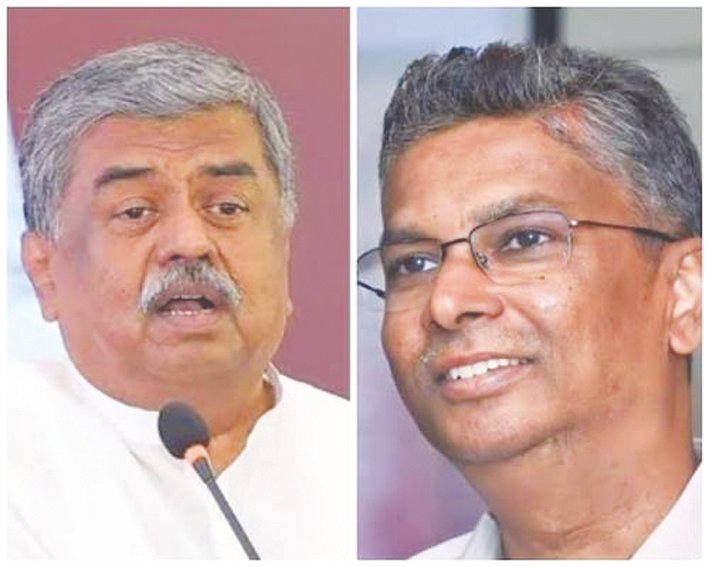
Bengaluru, Oct 29 : Differences have emerged within the Karnataka Congress over the Special Intensive Revision (SIR) of electoral rolls, with Minister Satish Jarkiholi defending the exercise and the removal of nearly one crore names, while state Congress president B K Hariprasad has questioned the exclusion of voters categorised as 'absent'.
The contrasting positions have brought the party's concerns over the revision into focus, particularly whether the reduction in the electorate was due to the removal of ineligible entries or whether genuine voters were inadvertently excluded.
Defending the Karnataka SIR exercise, Jarkiholi said the revision was carried out properly following the Congress's protests and training of party workers. He clarified that the party's objections were primarily directed against the manner in which the exercise was conducted in West Bengal, Maharashtra and Bihar.
"Our grouse is against the SIR that was done in West Bengal, Maharashtra and Bihar. The SIR in Karnataka was done right because of our protests and training. Our argument is that SIR should have happened in the same manner in other states," he said.
Jarkiholi also justified the deletion of nearly one crore names, stating that the removed entries largely belonged to voters who had shifted their residences, died or appeared more than once in the electoral rolls.
However, Hariprasad expressed concern over the exclusion of voters, particularly those categorised as absent, while acknowledging that deceased and duplicate entries should be removed.
"One crore voters have been left out. Our agitation is against this. Our question is on voters marked as 'absent'. Where did these voters go?" Hariprasad questioned.
The differing statements highlight two aspects of the same exercise. While Jarkiholi has defended the revision process and the removal of ineligible entries, Hariprasad has raised concerns over whether eligible voters classified as absent may have been wrongly excluded.
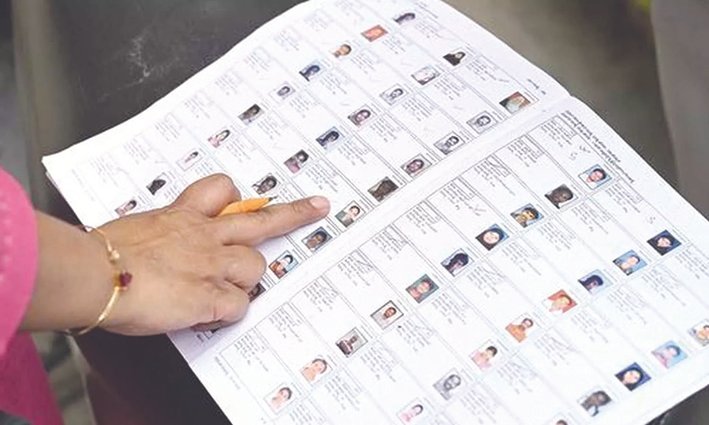
Karnataka's final electoral roll, published on October 27, recorded 4,55,00,011 electors, compared with 5,54,32,314 before the revision, marking a reduction of 99,32,303 names.
The figures have intensified the debate over the grounds for deletion, verification of absent voters and the safeguards available to those seeking restoration of their names.
The Congress has also raised concerns over the handling of Form 7 applications, which facilitate objections to entries in electoral rolls. The Election Commission's procedures for verifying and disposing of such applications remain crucial to addressing the party's concerns.
The key issue now is whether the Election Commission can provide a clear category-wise account of the deleted names and explain the verification undertaken before voters were classified as absent.
For the Congress, the debate has expanded beyond its opposition to the SIR exercise in other states to determining whether the Karnataka revision, defended by Jarkiholi, adequately safeguarded the voting rights of every eligible elector.