BRICS Calls for WTO Reform, Warns Against Tariff-Driven Trade Fragmentation
Published
Updated
3 min read 3 views
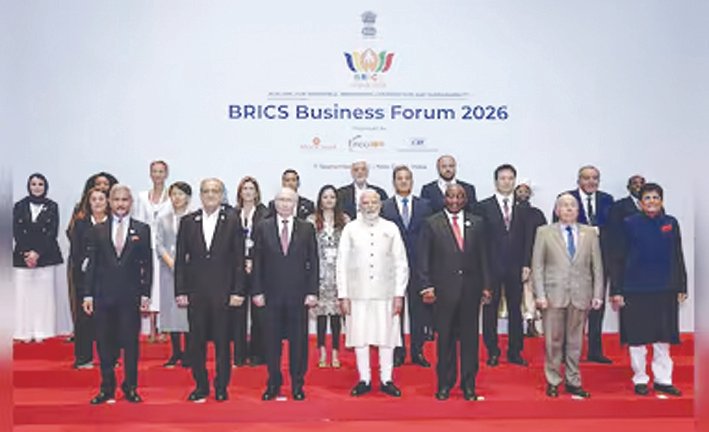
NEW DELHI, Sep 12 : BRICS has voiced serious concern over the growing use of unilateral tariffs and non-tariff measures, warning that protectionist actions could weaken global trade, disrupt supply chains and widen economic disparities.
In the New Delhi Declaration adopted at the 18th BRICS Summit, the grouping called for an urgent revival and reform of the World Trade Organization (WTO), stressing the need for an open, transparent, equitable and rules-based multilateral trading system with the WTO at its core.
BRICS said the proliferation of trade-restrictive measures inconsistent with WTO rules was increasing uncertainty in international trade and could adversely affect global economic growth.
The grouping also called for the the continued spread of tariffs, non-tariff barriers and other protectionist measures could reduce global trade, disrupt supply chains and would explore measures to boost commerce among member countries and strengthen resilient global value chains. immediate restoration of the WTO's two-tier, binding dispute settlement mechanism and urged the appointment of new Appellate Body members without further delay.
It warned that the continued spread of tariffs, non-tariff barriers and other protectionist measures could reduce global trade, disrupt supply chains and deepen existing economic disparities.
On intra-BRICS trade, the grouping said it would explore measures to boost commerce among member countries and strengthen resilient global value chains. It endorsed further development of the BRICS Global Value Chains Action Plan 2026-2030, with a focus on enabling emerging and developing economies to move up the value chain.
BRICS also highlighted the need for more efficient cross-border payment systems. The BRICS Payment Task Force is examining interoperability between payment and messaging systems, including the use of national currencies for trade settlements and investment.
The grouping encouraged the task force to develop practical solutions to make cross-border payments faster, cheaper, more accessible, efficient, transparent and secure, while recognising that there can be no single approach for all countries.
The declaration further called for strengthening the role of the New Development Bank (NDB) by expanding its resource mobilisation capacity, increasing local-currency financing and diversifying funding sources to support infrastructure and sustainable development projects in emerging markets.
Small businesses also received attention, with BRICS identifying access to affordable finance as a major obstacle to the participation of MSMEs in international trade and global value chains.
It welcomed new guiding principles for credit assessment frameworks for export-oriented MSMEs and the trade, investment and industrial cooperation, besides supporting the digitisation of trade documentation to make cross-border commerce more collectively to strengthen the voice of the Global South. Jaipur Consensus, which seeks to examine an invoice-discounting mechanism that could help smaller businesses unlock working capital tied up in unpaid invoices.
BRICS also backed deeper industrial cooperation in areas including Industry 4.0, artificial intelligence, advanced manufacturing, robotics and digital technologies. It welcomed the establishment of a BRICS Incubator Network and further consideration of a BRICS Startup Innovation Fund.
The grouping called for greater use of Special Economic Zones to promote trade, investment and industrial cooperation, besides supporting the digitisation of trade documentation to make cross-border commerce more efficient and transparent.
On global economic governance, BRICS reiterated its call for greater representation of emerging and developing economies. It reaffirmed the G20's role as the premier forum for international economic cooperation and said it would work collectively to strengthen the voice of the Global South.