CPI(M) Moves Supreme Court Over Delhi Protest Curbs, Accuses Modi Government of Suppressing Dissent
Published
4 min read 2 views
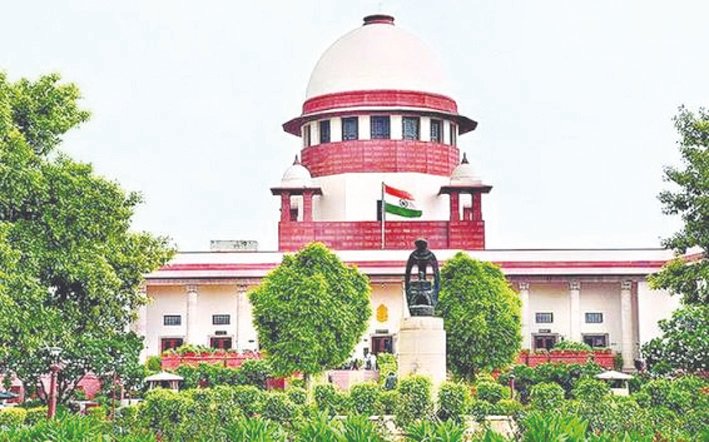
New Delhi, Oct 9 : The Communist Party of India (Marxist) has approached the Supreme Court challenging restrictions reportedly imposed in the national capital ahead of the Opposition’s planned protests on October 10, accusing the Narendra Modi government of attempting to suppress peaceful dissent and undermine democratic rights.
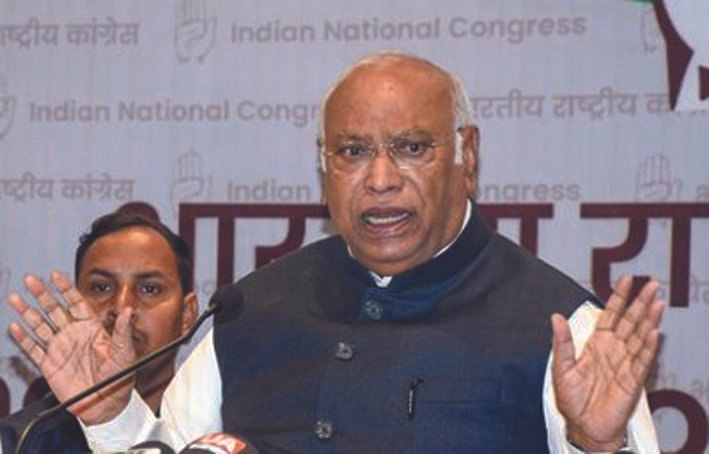
CPI(M) general secretary M A Baby has filed a petition seeking judicial intervention against measures that reportedly include the cancellation of train services to Delhi, the closure of metro stations and the suspension of internet services. Senior advocate Kapil Sibal is representing Baby in the matter.
Announcing the legal challenge in a statement posted on X on Friday, the CPI(M) said the restrictions could impede the Opposition’s ability to organise demonstrations and exercise its constitutional right to peaceful protest.
The move comes amid an escalating confrontation between Opposition parties and the Centre over arrangements for the planned mobilisation, which forms part of a broader campaign against the Election Commission of India (ECI).
In a separate post on X, Baby accused the government of authoritarianism and contempt for democratic freedoms, alleging that Opposition MPs were being denied the opportunity to raise their concerns at Jantar Mantar, a prominent venue for public demonstrations in the national capital.
“Denying opposition MPs the right to raise their voices at Jantar Mantar, a historic centre of people's struggles, shows the Modi government's naked authoritarianism and contempt for democratic rights,” Baby said.
He further alleged that the authorities were using coercive measures to silence criticism and warned that attempts to suppress dissent would ultimately fail.
“The attempt to crush dissent by unleashing a reign of terror in the national capital will not succeed,” he said.
Targeting Prime Minister Narendra Modi, Union Home Minister Amit Shah and Chief Election Commissioner Gyanesh Kumar, Baby accused the government of deploying police and central forces to prevent peaceful demonstrations and shield the head of the poll panel from Opposition criticism.
“The government may use police and central forces to suppress peaceful protests and protect Gyanesh Kumar, but it cannot shield him forever,” he said.
Baby called on Opposition parties and democratic organisations to unite against what he described as an assault on civil liberties, asserting that continued repression would face public resistance.
The Supreme Court challenge comes amid an intensifying Opposition campaign against the Election Commission, particularly over the conduct of the Special Intensive Revision (SIR) of electoral rolls. Opposition parties have raised concerns about the transparency of the exercise, alleged irregularities and the possible exclusion of eligible voters, while demanding greater accountability from the poll panel, including the resignation of Chief Election Commissioner Gyanesh Kumar.
The Election Commission and the government have faced sustained political criticism over the issue, while the Opposition’s allegations remain contested.
The INDIA bloc has stepped up its campaign in recent days through demonstrations, sit-ins and other forms of protest, arguing that electoral integrity and the accountability of constitutional institutions are at stake. The October 10 mobilisation is part of this wider campaign.
Jantar Mantar has long been associated with public demonstrations on issues ranging from corruption and governance to civil liberties and electoral reforms. Restrictions affecting access to the venue or the ability of political representatives to assemble there have consequently become part of the broader debate over the space available for peaceful dissent in the capital.
The legal proceedings are expected to bring the legality and proportionality of the reported restrictions under scrutiny, particularly their impact on the ability of Opposition MPs and citizens to participate in peaceful demonstrations.
Although authorities can impose reasonable restrictions on public assemblies in the interests of public order and security, such measures must comply with constitutional safeguards, including the freedoms of speech and peaceful assembly guaranteed under Article 19 of the Constitution.
The reported cancellation of train services, closure of metro stations and suspension of internet services also raise questions about the scope and justification of measures that could affect access to the capital and people's ability to communicate and organise.
The precise circumstances surrounding the restrictions, the legal grounds cited by the authorities and the specific relief sought by Baby will be central to the proceedings. The CPI(M)’s statement announcing the petition did not detail the government’s position on the reported measures.
For the CPI(M), the dispute extends beyond arrangements for the October 10 protests. Baby has portrayed the restrictions as part of a broader attempt to curtail political dissent and shield the Election Commission from public scrutiny.
By approaching the Supreme Court, the party is seeking judicial intervention against what it considers an infringement of democratic rights and an attempt to prevent the Opposition from raising concerns over the functioning of a key constitutional institution.