Energy markets unlikely to return to pre-war levels even in 2027: IEA chief
Published
3 min read 2 views
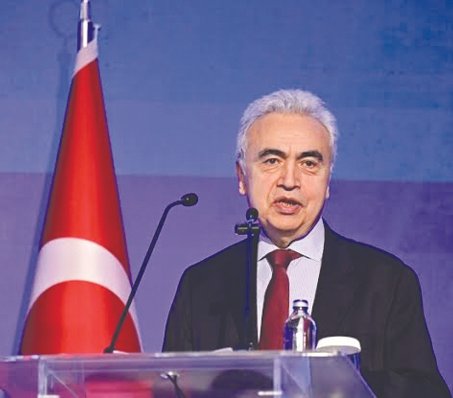
New Delhi, Oct 26 : Global energy markets may take beyond 2027 to recover from disruptions caused by the Iran war, as rising crude oil prices, increased winter fuel demand and supply constraints intensify concerns over energy security, International Energy Agency (IEA) Executive Director Fatih Birol warned on Monday.
Speaking at the Singapore International Energy Week conference, Birol said there was no credible indication that global energy markets would return to their pre-war conditions next year. He urged governments and businesses to prepare for a prolonged period of uncertainty and prioritise energy security.
The conflict, which began in late February, has disrupted global energy supplies, overturned earlier expectations of a market surplus and pushed up crude oil and refined fuel prices.
Oil prices have surged amid escalating tensions in West Asia and concerns over further supply disruptions. Brent crude futures climbed to USD 117 per barrel on Friday following fresh Houthi attacks in Saudi Arabia, marking their highest level in nearly six months. Prices eased to around USD 115 per barrel on Monday but remained about 59 per cent above pre-war levels.
Birol said crude oil prices were approaching USD 120 per barrel, while refined petroleum products were becoming even more expensive. He cautioned that elevated energy prices could put considerable pressure on economies, particularly countries already facing large trade deficits.
Although he refrained from predicting the future direction of crude oil prices, the IEA chief pointed out that the impact of rising prices would vary across countries. While some European economies may be better equipped to absorb the increase, several other nations could face mounting economic difficulties.
The availability of refined petroleum products is also emerging as a major concern as the Northern Hemisphere approaches winter. Birol warned of potentially tighter diesel supplies due to rising seasonal demand in regions where the fuel is also used for heating.
The situation could worsen as several refineries prepare for scheduled maintenance, potentially restricting refined fuel supplies at a time of increasing consumption. Higher demand combined with limited refining capacity could further push up fuel costs and increase the burden on economies dependent on energy imports.
Europe, in particular, could face a difficult winter as it continues to reduce its dependence on Russian gas while disruptions linked to the Iran war affect supplies from Qatar and the United Arab Emirates.
Birol warned that declining Russian gas imports, coupled with reduced availability of supplies from the Gulf, could put considerable pressure on European gas markets. This could intensify competition among countries for available gas shipments as winter demand rises, raising concerns over energy security and affordability.
The crisis could also accelerate global interest in nuclear power as governments look to diversify energy sources and reduce vulnerability to supply disruptions.
Birol said nuclear energy was expected to make a strong comeback, pointing to substantial investments in new generation capacity. According to the IEA's latest survey cited by him, around 90 gigawatts of nuclear power capacity was under construction worldwide, the highest level in four decades.
The warning highlights how the repercussions of the Iran war could extend well beyond the immediate conflict, reshaping global energy security priorities, fuel markets and investment decisions through 2027 and beyond.