Jairam Ramesh Questions VanDyke Release, Seeks Answers on US Pressure and Myanmar Links
Published
Updated
4 min read 4 views
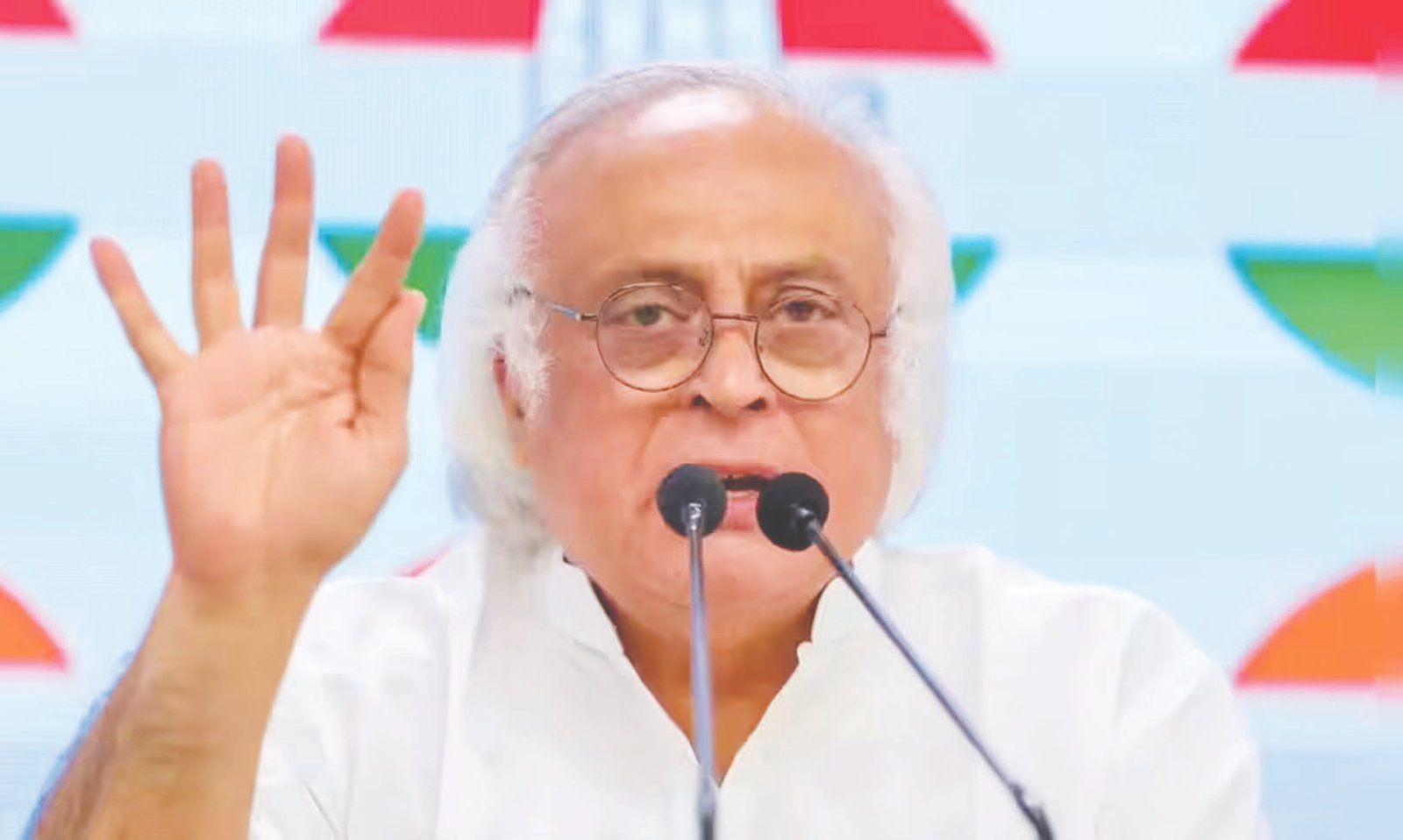
New Delhi, Sept 25 : Congress general secretary in-charge communications Jairam Ramesh has questioned the release of US national Matthew Aaron VanDyke, who was arrested by the National Investigation Agency (NIA) in March in connection with an alleged conspiracy involving anti-India insurgent groups.
Ramesh sought an explanation from the government over the circumstances leading to VanDyke's release and alleged that US diplomatic pressure may have influenced the outcome.
In a post on X, Ramesh alleged that the government had "yielded to US pressure" in the case and asked what India had received in return. He also questioned how VanDyke and six Ukrainian nationals, who were arrested by the NIA on March 13, obtained Indian visas and were subsequently allowed to travel to Myanmar.
According to the NIA's case, the foreign nationals entered India on tourist visas, allegedly travelled to restricted areas in the Northeast and later crossed into Myanmar, where they were suspected of coming into contact with ethnic armed groups.
Ramesh referred to the NIA's submissions before a court on March 16, in which the agency allegedly accused the group of supporting anti-India insurgent organisations and facilitating terrorist activities. Subsequent proceedings also involved allegations relating to weapons and drone training and links with armed groups operating in Myanmar.
The case took a significant turn in September when the NIA filed a chargesheet invoking provisions of the Immigration and Foreigners Act but did not include offences under the Unlawful Activities (Prevention) Act (UAPA).
The NIA and government sources, however, maintained that the investigation under the UAPA had not been closed and that a supplementary chargesheet could be filed if further evidence established offences under the anti-terror law.
A Delhi court on September 18 granted VanDyke default bail, observing that the NIA's chargesheet was "piecemeal" and that the statutory period for completing the investigation had expired while the UAPA probe remained pending.
On September 24, the court allowed VanDyke and the six Ukrainian nationals to return to their respective countries after their passports were released and their applications to leave India were considered.
Ramesh also referred to reports that US Ambassador to India Sergio Gor had raised VanDyke's case with Foreign Secretary Vikram Misri during US Secretary of State Marco Rubio's visit to India in May. VanDyke's family had earlier sought US diplomatic intervention for his release and expressed a desire to have him brought back to the United States.
"Obviously, US pressure determined this outcome, but what did India get in return?" Ramesh asked, while seeking clarification on whether diplomatic considerations had played a role in the handling of the case.
He also questioned how the foreign nationals were issued Indian visas and allegedly travelled through the country to Myanmar despite the sensitive nature of the areas involved.
"More fundamentally, how were these suspicious foreign individuals given visas and allowed to travel through India to Myanmar in the first place? The HM must answer this," Ramesh said, referring to Union Home Minister Amit Shah.
The Congress leader further criticised the government over what he described as shortcomings in protecting India's national security and institutions, placing the VanDyke case within a wider political debate over the government's handling of national security and relations with the United States.
The NIA case has drawn scrutiny over the alleged activities of the foreign nationals, the circumstances of their entry into India and the progress of the investigation. The agency has maintained that the omission of UAPA offences from the September chargesheet did not necessarily mean that its investigation under the anti-terror law had concluded.
The court's decision to permit the accused to leave India followed the grant of default bail to VanDyke and the subsequent release of the group's passports.