Jaishankar, Venezuela FM Discuss Energy Ties as India Seeks to Diversify Crude Sources
Published
Updated
2 min read 1 views
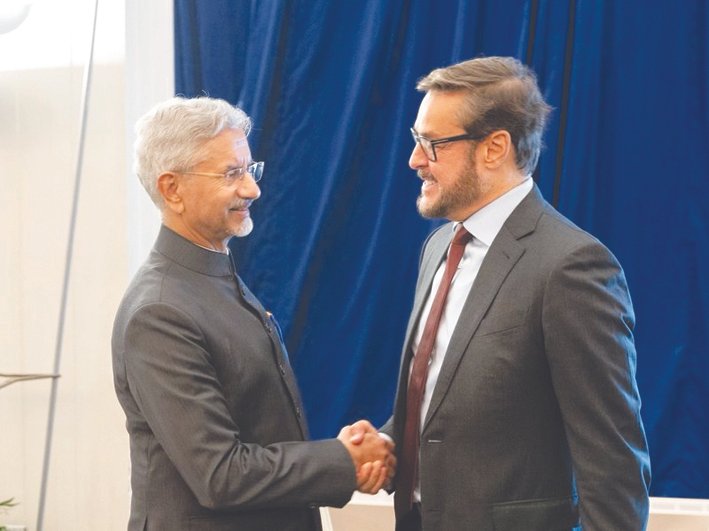
NEW YORK, Sept 27 : External Affairs Minister S. Jaishankar and his Venezuelan counterpart, Félix Plasencia González, discussed strengthening energy ties and other areas of bilateral cooperation as India looks to diversify its crude oil sources amid disruptions affecting global supplies and shipping through the Strait of Hormuz.
Jaishankar met Plasencia González at the United Nations headquarters in New York on Sunday on the sidelines of the 81st session of the United Nations General Assembly.
“A good meeting with FM Félix Plasencia González of Venezuela at UN HQ,” Jaishankar said in a post on X. “Our energy ties are gaining momentum, besides other areas of bilateral cooperation. We also discussed current regional issues,” he added.
The meeting comes as India seeks to broaden its sources of crude oil amid supply disruptions linked to the conflict involving Iran and restrictions on shipping through the Strait of Hormuz.
India already has energy interests in Venezuela, including investments by Indian public-sector companies in the country's oil sector. Caracas has also described New Delhi as an “important economic partner”.
The growing focus on Venezuela comes amid renewed international interest in investing in the country's oil industry. US Secretary of State Marco Rubio recently said Washington saw a role for itself in helping India diversify its energy supplies and specifically identified Venezuela as a potential source of crude for Indian refineries.
“India's been focused for a very long time on diversifying its sources of energy and US would love to be a part of that,” Rubio said.
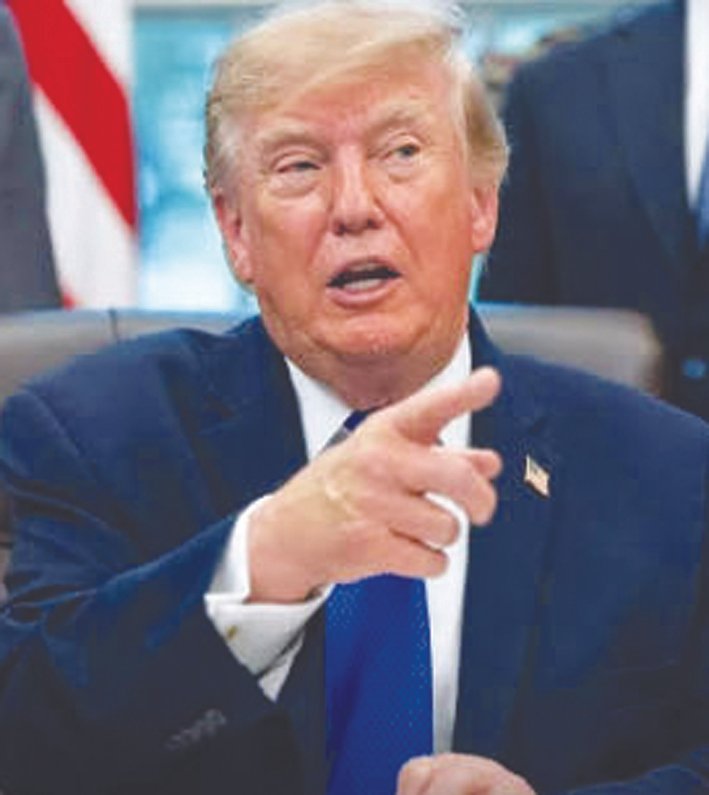
In a recent development, the United States struck a deal with Venezuela concerning more than 65 billion barrels of the country's proven oil reserves. US President Donald Trump said the agreement would more than double American oil reserves and “substantially lower gas prices for all Americans”.
In a late-night address on Saturday, Venezuela's interim President Delcy Rodríguez described the agreement as a step that could contribute to the country's economic revival.
Meanwhile, US oil producer Continental Resources signed a memorandum of understanding with Venezuela's state-owned PDVSA on September 16 to develop and operate the Ayacucho 2 Block in the Orinoco Oil Belt.
Venezuela holds the world's largest proven crude oil reserves, with a substantial portion consisting of heavy and extra-heavy crude concentrated in the Orinoco Belt. Developing and transporting these resources requires significant investment and specialised technology.