Karnataka voter rolls: 61,059 Form 7 applications filed without reasons, raising questions over electoral safeguards
Published
4 min read 2 views
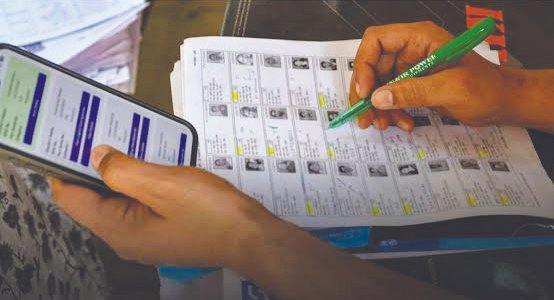
Bengaluru, Oct 26: The filing of 61,059 Form 7 applications seeking deletion of voters' names from electoral rolls in Karnataka without specifying reasons has raised serious questions over compliance with electoral rules, the voter verification process and safeguards against the wrongful removal of eligible voters.
The reported irregularities relate to applications filed by election officials in which the reason column was left blank, despite the prescribed procedure requiring specific grounds for proposing the deletion of names from electoral rolls.
Electoral Registration Officers (EROs) and Assistant Electoral Registration Officers (AEROs) reportedly stated that the applications were generated under their digital signatures when they were unable to contact voters during hearings concerning missing electoral-roll mapping or logical discrepancies. The voters were marked as ineligible, while the applications did not mention the reasons for proposing their removal.
The development has raised questions about who initiated the applications, who authorised the digital signatures, who designed or approved the automated workflow and who ultimately ordered the deletion of names. These responsibilities could involve different officials, administrative authorities and technical systems, making it necessary to examine the entire process rather than attribute responsibility solely on the basis of the digital signatures appearing on the applications.
The number of applications increased sharply after the claims and objections period ended on September 23. While 192 applications were filed between August 24 and September 23, more than 60,800 were submitted between September 24 and October 22.
On October 22, the final day for deciding claims and objections, election officials filed 10,105 Form 7 applications. Another 10,314 were filed on October 21, while 11,132 and 11,760 applications were submitted on October 17 and 19, respectively.
Rule 17 of the Registration of Electors Rules, 1960, stipulates that claims or objections not submitted within the prescribed period or in the prescribed form and manner shall be rejected by the registration officer.
Another concern relates to discrepancies in the application figures published by the state and central election authorities. Between September 24 and October 22, the Karnataka Chief Electoral Officer's office recorded 1,70,442 Form 7 applications, whereas the Election Commission of India (ECI) website listed 1,56,634 applications, resulting in a difference of 13,808.
In the Bruhat Bengaluru Mahanagara Palike (BBMP) South electoral district, officials filed 10,374 of the total 17,491 applications. Similar patterns were reported in at least 26 Assembly constituencies, where electoral registration officials filed more applications than individual voters or third parties.
Verification of several Electoral Photo Identity Card (EPIC) numbers on the ECI portal reportedly indicated that some voters' names had already been deleted from the electoral rolls, even though the corresponding Form 7 applications were filed after September 23.
The controversy has intensified scrutiny of Karnataka's electoral roll revision process. Chief Minister D.K. Shivakumar staged a five-hour protest outside the Chief Electoral Officer's office in Bengaluru on October 1, alleging attempts to remove eligible voters through bulk Form 7 applications. Subsequently, the CEO ordered an inquiry into the matter.
Congress leader Pawan Khera on Monday questioned the Election Commission's handling of the issue and criticised Chief Election Commissioner Gyanesh Kumar.
"If this can happen in Karnataka, which has a Congress government, imagine the scale of what could be happening in BJP-ruled states," Khera said in a post on X.
However, the reported procedural lapses do not, by themselves, establish that all the applications resulted in the wrongful deletion of voters' names or that any political party directed the process.
Determining responsibility would require a detailed examination of application records, digital-signature logs, system-generated entries, instructions issued to electoral officials and orders authorising individual deletions.
The outcome of the inquiry and an explanation from election authorities will be crucial in establishing how the applications were generated, whether the prescribed procedures were followed and whether any eligible voters were wrongly removed from the electoral rolls.
The controversy has brought renewed attention to transparency in electoral roll revision, accountability in the use of automated systems and safeguards available to voters whose names are proposed for deletion.