Kharge Pays Tribute to Lal Bahadur Shastri, Recalls His Simplicity, Integrity and Nation-Building Legacy
Published
2 min read 3 views
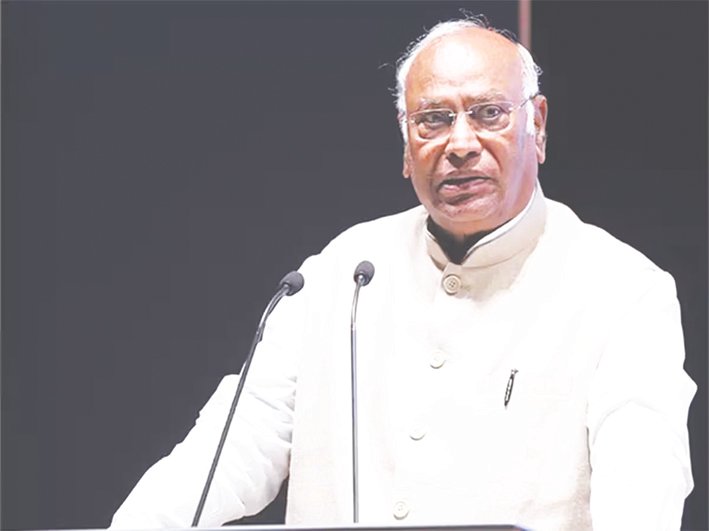
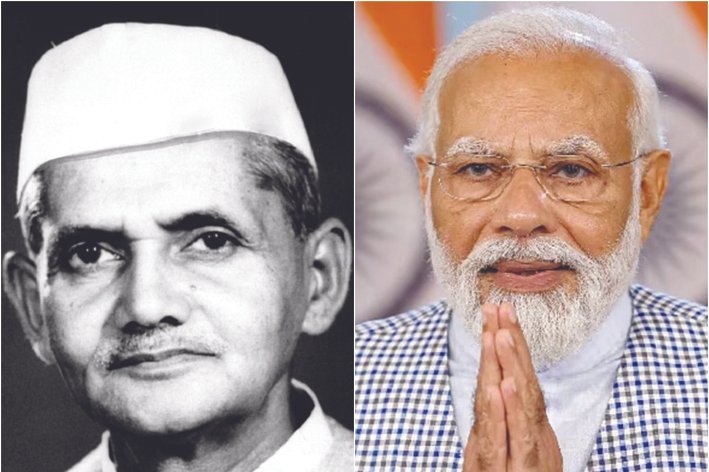
New Delhi, Oct 2 : Congress President and Leader of the Opposition in the Rajya Sabha Mallikarjun Kharge on Friday paid tribute to former Prime Minister Lal Bahadur Shastri on his birth anniversary, recalling his simplicity, integrity and unwavering dedication to national service.
In a post on social media platform X, Kharge described Shastri, India's second Prime Minister, as a symbol of "simplicity, integrity and national service" and said his contribution to the country's development continued to be remembered.
Kharge highlighted Shastri's role in nation-building, including strengthening the foundations of the Green and White Revolutions, advancing land reforms and introducing measures in the railways and public transport.
He also recalled Shastri's leadership during the 1965 India-Pakistan war.
"From land reforms to strengthening the foundations of the Green and White Revolutions, from ending the third-class system in the railways to making arrangements for seats for women in buses and providing firm leadership to the country during the 1965 war, his contribution to nation-building remains unforgettable," Kharge said.
Kharge further underlined Shastri's adherence to Gandhian values and his austere lifestyle, saying these qualities continued to inspire successive generations.
"His simple life, imbued with Gandhian values and high ideals, will always inspire us," he said, concluding his tribute with Shastri's iconic exhortation, "Jai Jawan, Jai Kisan."
Born on October 2, 1904, Shastri served as Prime Minister from June 1964 until his death in January 1966. Before becoming Prime Minister, he held several key portfolios in the Union Cabinet, including Railways, Transport and Communications, Commerce and Industry, and Home Affairs.
His resignation as Railway Minister following a major railway accident came to be regarded as an example of ministerial responsibility and accountability.
A prominent participant in the freedom movement, Shastri spent several years in British prisons before Independence and later emerged as one of the senior leaders of the Congress organisation.
As Prime Minister, he led India during the 1965 war with Pakistan, while his call of "Jai Jawan, Jai Kisan" came to symbolise the importance of national security and agricultural production.
Shastri died in Tashkent on January 11, 1966, shortly after the signing of the Tashkent Declaration with Pakistan. His legacy remains associated with personal simplicity, public service, administrative responsibility and leadership during a defining period in India's post-Independence history.