PM Modi Calls for Urgent UNSC Reforms at BRICS Summit, Unveils 10-Point Roadmap for Stronger Multilateralism
Published
Updated
5 min read 6 views
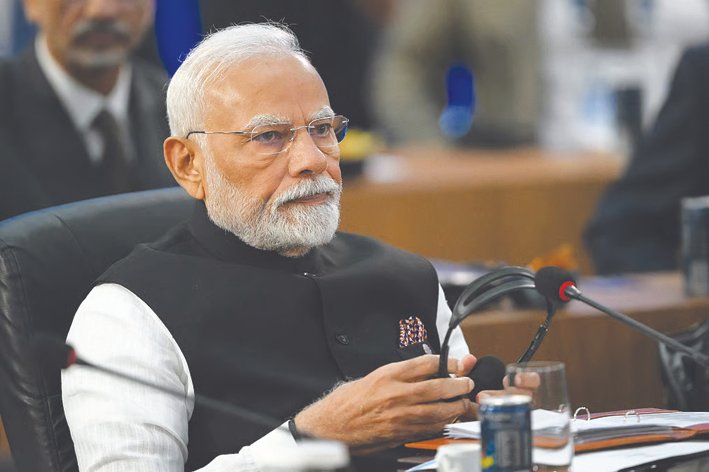
NEW DELHI, Sept 12 : Prime Minister Narendra Modi on Saturday called for urgent reforms to the global governance architecture, declaring that reform of the United Nations Security Council (UNSC) "can no longer wait" and urging BRICS nations to work towards a concrete roadmap to strengthen multilateralism, innovation and resilience.
Addressing the session on "Inclusive Global Governance and Strengthening Multilateralism" at Bharat Mandapam during the 18th BRICS Summit, Modi placed "Humanity First" at the centre of India's BRICS presidency and said institutions created for an earlier era could no longer adequately address today's economic, geopolitical and security challenges.
Welcoming the participating leaders and dignitaries, the Prime Minister described the 20th anniversary of BRICS as a "historical milestone" and said the grouping had emerged as an important voice on the global stage.
Emphasising the need for cooperation over confrontation, Modi said developing countries, particularly those in the Global South, were often the worst affected by conflicts, instability and disruptions to global trade and supply chains.
He argued that the existing global order could not continue to function through outdated structures and double standards. International institutions, he said, must reflect contemporary geopolitical and economic realities and give developing countries a greater voice in global decision-making.
Making a strong pitch for reform of the UNSC, Modi said the long-pending issue could no longer be postponed. He called upon BRICS members to work towards a clear roadmap for reforms across the multilateral system, including the United Nations, World Trade Organization and multilateral development banks.
The objective, he said, should be to create institutions that are more representative, effective and responsive to the aspirations of the developing world.
Modi also sought to dispel any perception that the expanding BRICS grouping was aimed at creating a bloc against any particular country or group.
"BRICS is not against anyone," he said, stressing that the grouping's objective was to promote cooperation, development and a more balanced global order.
He said the message from the summit should be clear: BRICS stands for partnership, dialogue and collective progress rather than confrontation. India, he reiterated, believes that disputes and conflicts must be resolved through dialogue and diplomacy rather than war.
The Prime Minister also highlighted the importance of maritime security and called for the protection of seafarers and international shipping routes.
The safety of those working at sea, he said, must be protected "at all costs", as secure sea lanes are critical not only to global commerce but also to the economic security of developing countries.
Against the backdrop of growing maritime insecurity and disruptions to shipping routes, Modi called for the creation of a "secured seafarers network" within BRICS, stressing the need for coordinated international efforts to protect maritime workers and ensure the uninterrupted movement of goods.
Innovation and resilience also figured prominently in his address. Modi said BRICS countries were emerging as major centres of innovation, resilient value chains and inclusive growth and should use their collective economic and technological strengths to build practical partnerships and strengthen global supply chains.
He urged BRICS members to remain united and ensure that the benefits of cooperation reach all sections of society and all participating countries.
Referring to inequalities in the existing international system, Modi said the "pyramid of privilege" should give way to a platform where all partners have a meaningful voice and role in global policymaking.
His remarks reflected India's broader diplomatic push for greater representation of the Global South in international institutions, particularly the UNSC.
India has consistently maintained that the existing permanent membership structure of the Security Council, established in the aftermath of World War II, does not adequately reflect contemporary geopolitical and economic realities.
The 18th BRICS Summit, being held in New Delhi on September 12 and 13, marks the fourth time India has hosted the grouping, following its presidencies in 2012, 2016 and 2021.
India assumed the BRICS chairship on January 1, 2026, under the theme "Building for Resilience, Innovation, Cooperation and Sustainability", with "Humanity First" as the central focus of its presidency.
The summit comes two decades after the emergence of BRICS as a formal grouping and at a time when its membership and global footprint have expanded significantly. The grouping now comprises 11 member countries and has also developed a wider network of partner nations.
Against this backdrop, Modi sought to position BRICS as a platform capable of bridging differences among developing and emerging economies while advocating reforms in the international system.
He said the challenges facing the world could not be addressed through fragmented approaches and called for collective action, greater cooperation and renewed faith in multilateralism.
The Prime Minister's opening remarks combined a call for faster institutional reforms with an appeal for unity within BRICS, arguing that innovation, resilience and inclusive growth must accompany changes in global governance.
His overarching message was for BRICS countries to remain united and work together on issues affecting the Global South.
With leaders of major emerging economies and representatives of partner countries attending the summit, Modi's intervention sought to establish a broad agenda for BRICS encompassing faster reform of global institutions, greater representation for developing nations, maritime security, economic resilience, technological innovation and a continued commitment to dialogue and diplomacy.
The address ultimately sought to position BRICS not merely as an economic grouping but as an increasingly influential platform for shaping the rules of a changing international order — one that India believes must move from a "pyramid of privilege" towards a more inclusive, partnership-based system.