Ramesh questions Modi govt over rising medicine costs, invokes Patent law for relief to patients
Published
3 min read
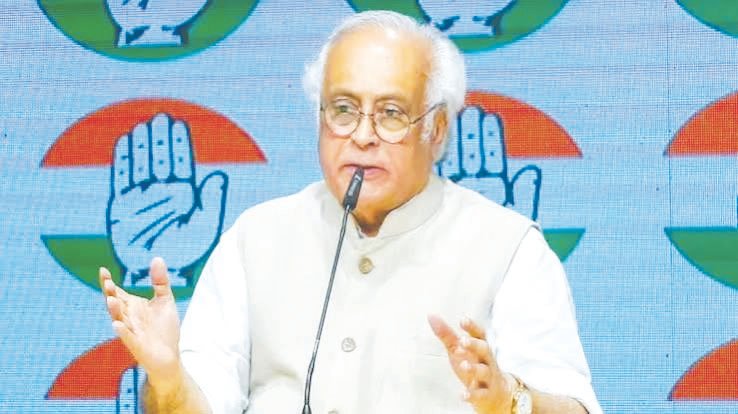
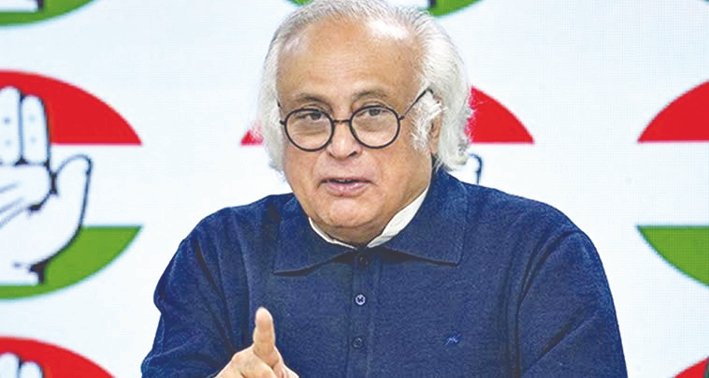
New Delhi, Oct 5 : Congress general secretary in-charge communications Jairam Ramesh on Monday accused the Narendra Modi government of failing to protect patients from rising medicine costs and questioned why legal provisions enabling government intervention in the production and supply of patented drugs were not being used to make life-saving medicines more affordable.
In a post on social media platform X, Mr Ramesh alleged that the burden of expensive medicines on patients across the country was increasing due to what he described as the "anti-people policies" of the Modi government.
"The burden of expensive medicines on patients across the country is increasing due to the anti-people policies of the Modi government, but the Prime Minister, like Nero, is busy playing his own tune," he said.
Mr Ramesh cited examples to highlight what he described as the disparity between the cost of medicines and the prices ultimately paid by patients. He claimed that an injection costing Rs 74 was being sold for Rs 4,980, while patients in Uttar Pradesh were allegedly being charged up to 67 times more in the name of healthcare services.
Highlighting the financial burden of cancer treatment, he claimed that a 21-day course of a life-saving cancer drug costs around Rs 58,000, taking the annual expenditure to nearly Rs 10 lakh.
He said such costs raised questions about the healthcare priorities of a government that has been in office for 12 years.
The Congress leader specifically invoked Sections 92 and 100 of the Patents Act, which provide mechanisms for government intervention in matters involving public interest and government use of patented inventions. He questioned why these provisions were not being effectively utilised to ensure wider access to essential and life-saving medicines.
Mr Ramesh also referred to a Kerala High Court ruling concerning Section 100, claiming that the court had clarified that the government could produce, or authorise the production of, a patented life-saving medicine and make it available to needy patients on a non-commercial basis.
"When the law contains such a provision and the High Court has also clarified the route, why are life-saving medicines still beyond the reach of patients?" he asked.
He further sought an explanation from the government for what he described as a delay in using the legal mechanism available to provide relief to patients facing prohibitive treatment costs.
"When the law provides a path to relief for patients, why is the government delaying moving forward on that path?" he asked.
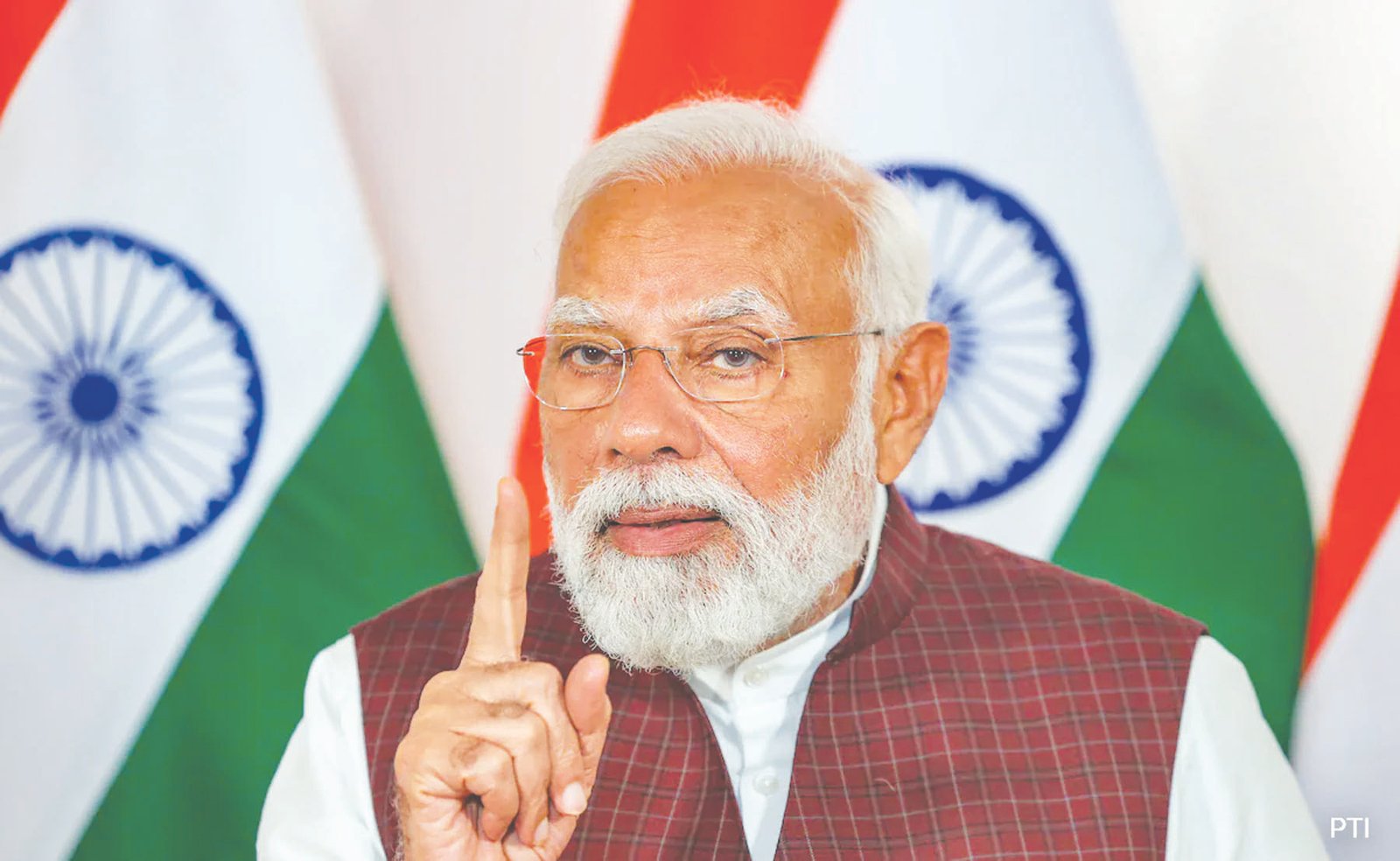
Directly addressing Prime Minister Narendra Modi, Mr Ramesh questioned when affordable medicines would finally be ensured for patients.
He also referred to the Prime Minister's earlier remark about "jhola uthane" (packing up and leaving office), and said that otherwise, "as you yourself had said, the time to pick up the bag is coming soon."
The Congress has repeatedly raised concerns over the affordability and accessibility of medicines as part of its broader criticism of the government's healthcare policies.
Mr Ramesh's latest intervention seeks to focus attention on the cost of life-saving treatment and the government's legal and policy options for making patented medicines more accessible, particularly to patients unable to bear high out-of-pocket healthcare expenses.