Shivakumar seeks ‘Praja Sevaka’ identity as Praja Seva faces delivery test
Published
3 min read 2 views
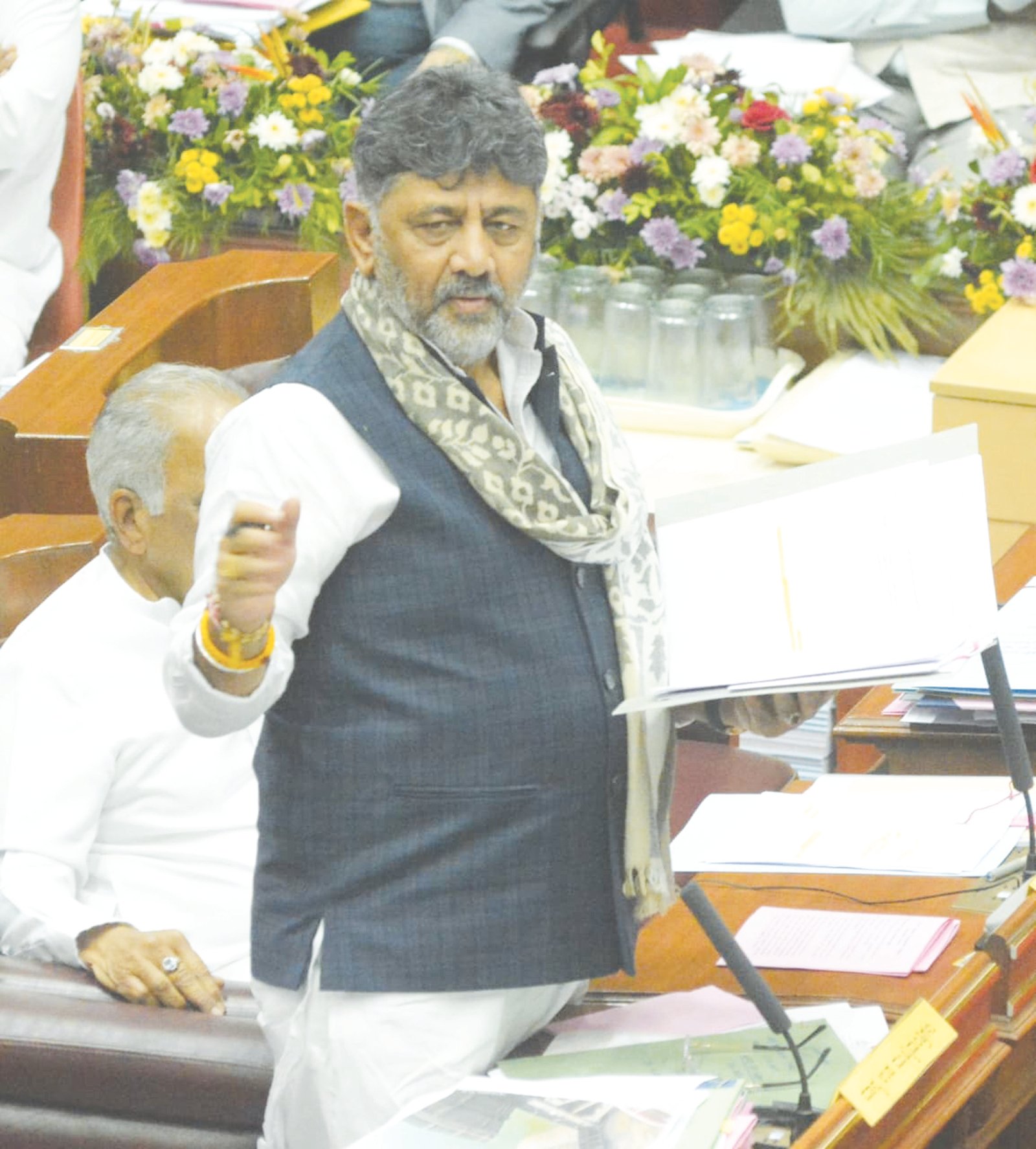
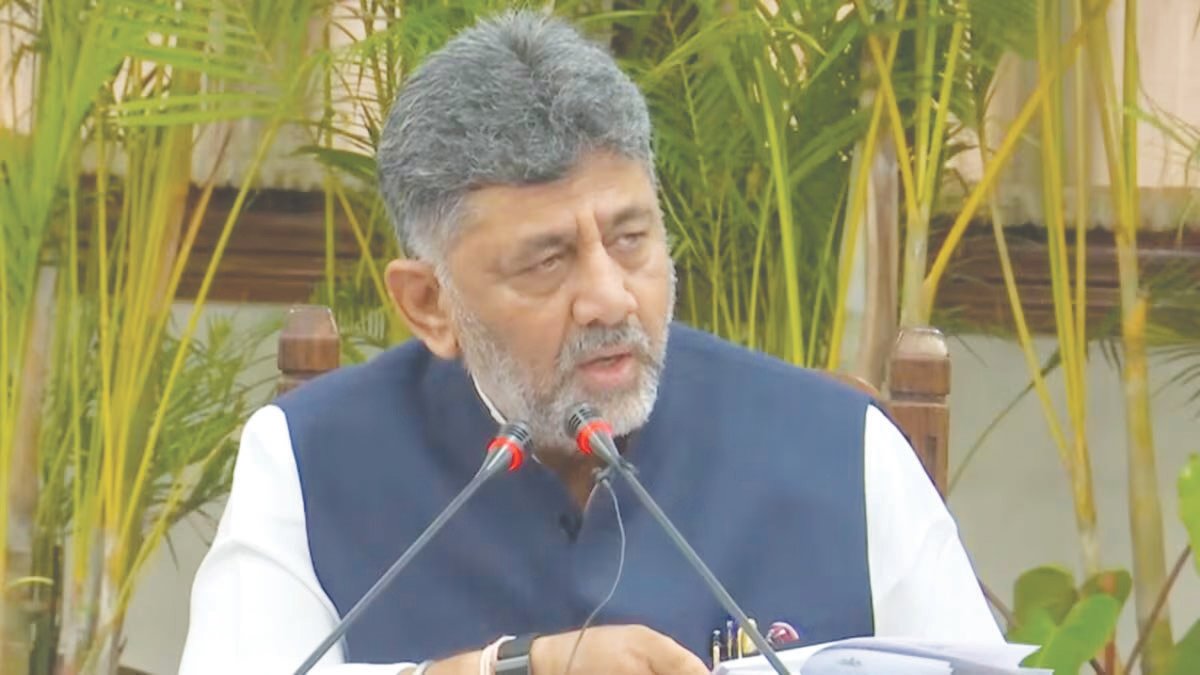
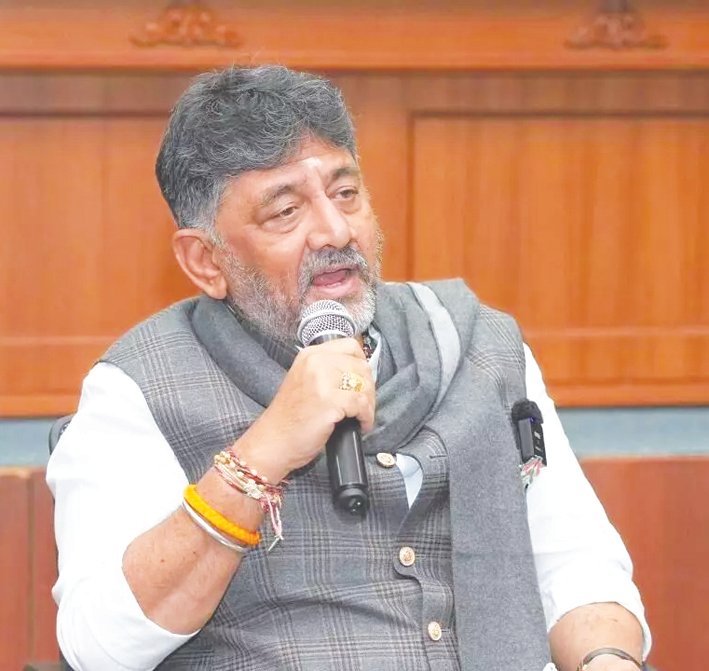
Bengaluru, Oct 5 : Karnataka Chief Minister D K Shivakumar is seeking to give a political and administrative identity to his government’s citizen-centric governance initiative by asking people to address him as “Praja Sevaka” (servant of the people), rather than “Naadina Dore” (ruler of the State).
“I am not the ruler of the State. I am a servant of the people. From now on, if you call me Praja Sevaka, there can be no greater happiness for me,” Shivakumar has said, urging people and leaders to use the term while introducing him at public functions.
The appeal comes as the government seeks to establish Praja Seva as a signature administrative initiative aimed at taking government services and grievance redressal closer to citizens.
The concept is to create a single-window mechanism through which citizens can access multiple government services and register grievances without having to visit different offices. Services such as birth certificates, caste and income certificates, ration-related services and other government facilities are being brought under the broader framework.
Praja Seva seeks to build on the earlier Sakala system, under which citizens were entitled to specified government services within prescribed time limits. The new initiative aims to expand that approach by combining service delivery, grievance redressal and direct interaction between citizens and the administration.
Through the Praja Seva Abhiyana, the government is also taking grievance redressal to districts and local areas. Ministers, elected representatives and officials interact directly with citizens and receive their complaints as part of the initiative.
The programme also has a focus on checking petty corruption and the role of middlemen. Shivakumar has urged citizens to contact him if officials demand even small amounts of money for government services, seeking to use direct citizen access as a check on corruption.
The 1902 helpline is another component of the system, enabling citizens to seek assistance and register complaints related to government services.
However, the political and administrative challenge for Shivakumar lies in translating the “Praja Sevaka” identity into measurable improvements in governance. Citizens are likely to judge the initiative by whether they can avoid repeated visits to government offices, whether applications are processed faster, whether officials respond promptly to complaints and whether government services reach beneficiaries without intermediaries.
The comparison with Prime Minister Narendra Modi’s earlier use of the expression “Pradhan Sevak” is also likely to draw attention. After assuming office in 2014, Modi had sought to project himself as a servant rather than a ruler. Shivakumar is now using the Karnataka-specific expression “Praja Sevaka” and linking it directly with an institutional programme carrying the same name.
The initiative therefore carries both an administrative and political dimension — an attempt to bring government closer to citizens while giving Shivakumar’s tenure a distinct governance identity.
For the Chief Minister, the real test will be whether “Praja Sevaka” moves beyond speeches and public introductions. If Praja Seva succeeds in reducing bureaucratic hurdles and ensuring timely solutions, the expression could acquire administrative significance. If citizens continue to make repeated rounds of government offices, it could remain merely a slogan.
Shivakumar wants to be known as the people’s servant. The Praja Seva machinery will now have to demonstrate that the government can deliver on that promise.