US, Israel Draw Up Plans for Fresh Strikes on Iran After November Midterms
Published
4 min read 2 views
Washington/Jerusalem, Oct 22 : The United States and Israel have drawn up plans for renewed military strikes against Iran following the US midterm elections on November 3, with both countries intensifying their military preparations, The New York Times reported on Wednesday, citing US officials and others familiar with the plans.
According to the report, the proposed campaign could be a “short but intensive operation”, with military exercises involving flights over Iraq, Iran’s western neighbour, to simulate strike manoeuvres. Potential targets reportedly include Iranian energy infrastructure, nuclear facilities and stockpiles of missiles and drones.
Officials cited by the newspaper said another major wave of strikes could severely damage Iran’s economy and increase pressure on Tehran to make concessions in ongoing negotiations.
However, Israeli Prime Minister Benjamin Netanyahu on Thursday rejected reports that he was pushing for renewed attacks on Iran but was being restrained by US President Donald Trump, describing the accounts as “incorrect”. He declined to elaborate on his recent discussions with Trump regarding Iran.
Some US officials told the newspaper that Trump could seek to avoid targeting Iran’s oil infrastructure to prevent a further rise in fuel prices, which have increased since the war began in February. The reported list of potential targets also includes the Pickaxe Mountain nuclear site.
The report said there remained a small possibility that Trump could authorise strikes before the end of October, although he could also decide against military action altogether. His repeated shifts in position have created uncertainty among military planners, one source said.
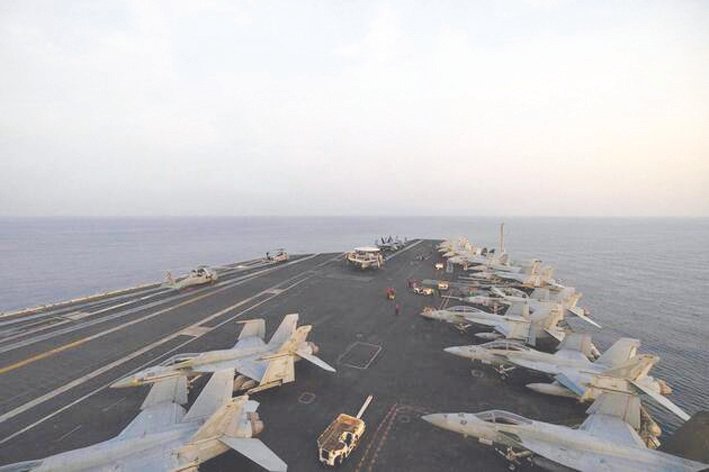
Washington is strengthening its military presence in the region, with preparations expected to be completed in early November. The threat of renewed attacks is also being used as leverage in negotiations with Tehran over its nuclear programme and control of the Strait of Hormuz.
US Defence Secretary Pete Hegseth made an unannounced visit to Israel earlier this week and met Netanyahu to discuss regional security threats.
Netanyahu is facing a challenging re-election contest ahead of the October 27 polls. Experts cited in the report said an electoral defeat could complicate his ability to order military strikes while serving as caretaker prime minister. However, the prospect of renewed military action could also help him bring opposition parties into a unity government, as happened following the Hamas-led attack on southern Israel on October 7, 2023.
A White House official declined to comment directly on the reported plans but said all options remained available to prevent Iran from acquiring nuclear weapons.
Iranian officials have warned that any renewed strikes would trigger retaliation, potentially widening the range of targets to include commercial shipping, energy infrastructure, data centres and undersea internet cables.
Trump said on October 9 that Washington would not attack Iran before the midterm elections. Days earlier, a report said Israeli Defence Forces Chief of Staff Lt Gen Eyal Zamir had warned his American counterparts that an attack could lead to the postponement of Israel’s election. Israeli assessments reportedly suggest that Iran could respond to a US strike with a large-scale missile barrage against Israel.
The war began on February 28, when the US and Israel launched a military campaign against Iran aimed at weakening its military capabilities, countering threats from its nuclear and ballistic missile programmes, and creating conditions for the Iranian people to overthrow the government, according to Israeli military and political leaders.
Iran retaliated with missile attacks against Israel and US allies across West Asia and blocked the Strait of Hormuz, a strategic waterway through which around one-fifth of the world’s oil passed before the war. Washington subsequently imposed a blockade on Iranian ports and said it had successfully escorted ships through the strait despite repeated Iranian attacks on vessels.
Negotiations between Washington and Tehran have largely stalled, with Iran’s nuclear programme remaining at the centre of the dispute. Tehran maintains that its nuclear programme is peaceful, while Washington has demanded its dismantlement.
Iran has enriched uranium well beyond levels typically required for civilian use, restricted international inspections and continued developing its ballistic missile capabilities. US Vice President JD Vance said earlier this month that Iran must make a “meaningful” reduction in its uranium enrichment capacity to meet Washington’s demands. Tehran has so far rejected those conditions.