EU Accuses Russia of Violating Energy Ceasefire, Vows Tougher Sanctions
Published
3 min read 2 views
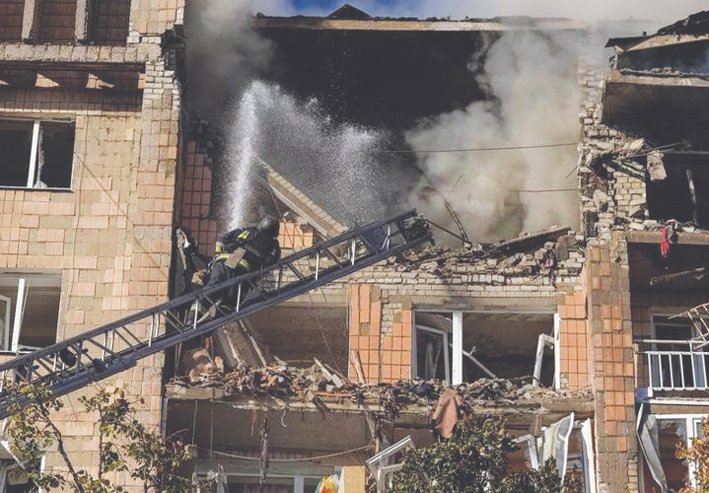
Brussels, Oct 16: The European Union on Friday accused Russia of violating an energy ceasefire announced by US President Donald Trump and vowed to intensify pressure on Moscow as the bloc prepared its 22nd sanctions package against Russia.
European Commission President Ursula von der Leyen said Russia had failed to respect the proposed ceasefire and had instead escalated its attacks.
"Of course, we supported President Trump's energy ceasefire, but we've seen that Russia did not respect it, not a single minute. Instead, Russia escalated, and therefore we have to increase the pressure on Russia," von der Leyen told reporters ahead of the second day of an EU leaders' summit in Brussels.
Trump had said Russia and Ukraine agreed to an immediate halt to attacks on each other's energy infrastructure.
Von der Leyen said the EU was actively working on its 22nd sanctions package against Russia and ruled out easing restrictions until Moscow ended the war. She added that EU leaders would discuss Ukraine's preparations for winter and its financial, budgetary and military requirements for 2026 and 2027.
European Council President Antonio Costa reaffirmed the bloc's commitment to supporting Kyiv, stressing that assistance to Ukraine must continue and pressure on Moscow must increase.
"This is no time to withdraw the support to Ukraine. This is no time to relieve Russia's sanctions. Now it's time to increase our support, to increase our pressure," Costa said.
He added that sustained pressure was necessary to persuade Russia to accept a genuine ceasefire, enter negotiations and end the war.
EU foreign policy chief Kaja Kallas also urged Washington to intensify pressure on Moscow, saying there were no indications that Russia was ready to agree to a truce or participate in a peace process.
"We are working on the new sanctions package to put pressure on Russia. And, we, of course, hope that we do this with all our partners around the world," Kallas said.
She said the EU was trying to convince its American partners that stronger pressure on Russia was essential to ending the conflict and preventing future wars.
Kallas added that she and EU foreign ministers had prepared a list of European security concerns and demands to be presented to Moscow during any negotiations. She cautioned against accepting Russian demands without securing corresponding concessions.
Acknowledging difficulties in coordinating with Washington, Kallas said cooperation with US allies had become challenging at present.
On Ukraine's dependence on Starlink satellite communications, she said the system remained essential to Kyiv and that Europe could not replace its capabilities in the short term.
EU leaders are also expected to discuss the bloc's defence readiness, including critical military capabilities and shortfalls in industrial capacity identified by the European Defence Agency.
Kallas stressed the urgency of addressing these gaps, saying Europe needed to develop the capabilities required to safeguard its own security.