Stock markets end in red amid rising crude oil prices; Sensex sheds over 800 points
Published
Updated
2 min read 3 views
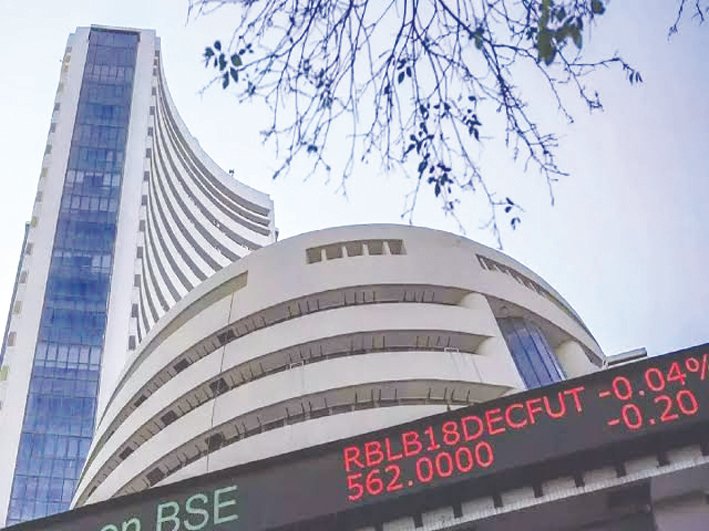
New Delhi, Sep 9 : Indian stock markets ended sharply lower on Wednesday, with the benchmark Sensex falling over 800 points, as rising crude oil prices and escalating US-Iran tensions dampened investor sentiment.
The Sensex declined 813.35 points, or 1.08 per cent, to close at 74,764.23, while the Nifty fell 203.60 points, or 0.86 per cent, to 23,431.50, its lowest level in three months.
Selling pressure intensified across most sectoral indices, with IT and realty stocks emerging as the biggest drags. The Nifty IT index declined more than 3 per cent, while Nifty Realty fell around 2 per cent. Media, FMCG and Private Bank indices each shed nearly 1 per cent.
The market also reacted sharply to crude oil prices, which crossed the USD 100-per-barrel mark for the first time since July amid escalating tensions between the United States and Iran.
Nifty Midcap and Nifty Smallcap indices also declined around 0.5 per cent. In contrast, the metal and energy indices closed higher, gaining 1.8 per cent and 0.6 per cent, respectively.
Among Nifty constituents, Adani Enterprises, Max Healthcare, Adani Ports, Coal India and Tata Steel were the major gainers. Infosys, HCL Technologies, Tech Mahindra, HDFC Life and Wipro were among the biggest laggards.
More than 180 stocks touched their 52-week highs, including TVS Holdings, Solar Industries, Piramal Pharma and Divi's Laboratories. Meanwhile, over 120 stocks touched their 52-week lows, including Voltas, United Breweries, ICICI Lombard, IndiaMART InterMESH, JK Lakshmi Cement, IRCTC, Cello World, Dabur India, P&G Hygiene, and Godrej Consumer Products.
Among individual stocks, Adani Ports gained nearly 4 per cent, while Graphite India surged 15 per cent. Raymond shares declined 5 per cent.
Commenting on the market trend, Vinod Nair, Head of Research at Geojit Investments Ltd, said investors were increasingly pricing in a prolonged Middle East conflict, with continued hostilities and retaliatory actions likely to keep crude oil prices elevated in the near term.
He added that persistent geopolitical uncertainty was making it difficult for major central banks to balance growth and inflation, while higher energy costs posed risks to both economic activity and price stability.
With bond yields and currencies remaining volatile, investors are expected to maintain a cautious stance, limiting risk appetite and keeping market sentiment subdued.