AHINDA at crossroads as Siddaramaiah-Jarkiholi rift widens
Published
Updated
3 min read 3 views
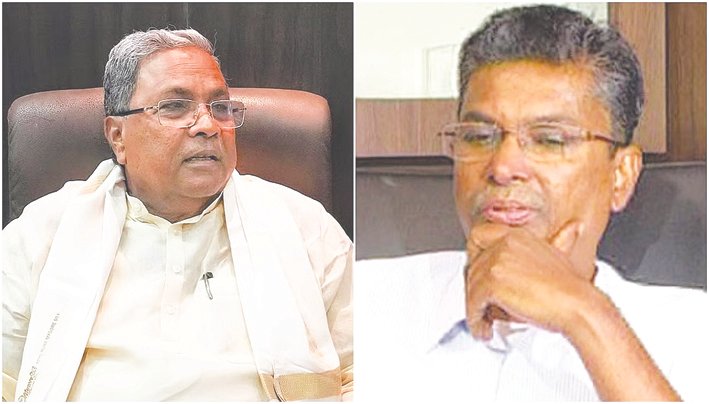
Bengaluru, Sept 7 : The widening differences between former Chief Minister Siddaramaiah and Minister Satish Jarkiholi have brought Karnataka's influential AHINDA social coalition to a critical juncture, triggering questions over who will lead the bloc that has traditionally been a key pillar of the Congress' electoral strategy in the state.
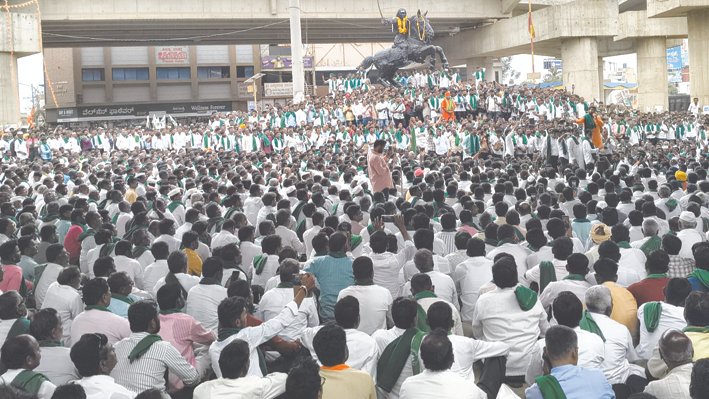
The issue has gained fresh political significance following a recent convention of backward communities, where the absence of several prominent leaders and the contrasting engagements of key AHINDA figures sparked speculation within political circles.
AHINDA — representing minorities, backward classes and Dalits — has for years been closely associated with Siddaramaiah's political identity. Its consolidation was considered an important factor in the Congress' electoral strategy during the previous Assembly elections.
However, the political landscape appears to be changing following Siddaramaiah's exit from the Chief Minister's post. With the leadership question within the Congress becoming increasingly fluid, competing attempts to consolidate backward communities are acquiring greater political significance.
Jarkiholi's absence from the backward communities convention became a talking point after he said he had not been invited and would have attended had he been asked. His remark that AHINDA was not anyone's personal property and that anyone could claim to represent the movement was widely seen as a pointed message amid the emerging leadership contest.
The political optics were further complicated by the absence or limited participation of other senior leaders. Deputy Chief Minister G Parameshwara arrived late, while K N Rajanna stayed away despite reportedly being invited. KPCC president B K Hariprasad was also absent.
Jarkiholi, meanwhile, attended an ST employees' programme elsewhere, giving political observers another reason to view his activities as an attempt to strengthen his independent social base among different sections of the community.
Siddaramaiah, for his part, has shown no signs of withdrawing from active politics. Although he has indicated that he may not contest elections, he has made it clear that he intends to remain politically active. He has cited the rising cost of elections and what he described as the deterioration of the electoral system as reasons for his position.
At the same time, Siddaramaiah has reiterated his commitment to fighting caste discrimination and promoting social justice and equal opportunities — themes that remain central to his long-standing political narrative.
The developments point to a larger question within the Congress: whether AHINDA can continue to function as a unified social and electoral platform or whether competing leadership claims will gradually fragment the coalition.
For Siddaramaiah, retaining influence over the AHINDA narrative would help preserve his political relevance even outside the Chief Minister's office. For Jarkiholi, expanding his independent influence among backward communities and ST groups could strengthen his position in the Congress' future power equations.
The contest, therefore, goes beyond one convention or the absence of individual leaders. It reflects an emerging struggle over political space, social representation and leadership within Karnataka's ruling party.
Any serious fragmentation of the AHINDA base could pose a strategic challenge to the Congress, which has historically benefited from the consolidation of these communities. Conversely, a negotiated accommodation between competing leaders could help the party preserve its broad social coalition.
The coming months are likely to reveal whether the Siddaramaiah-Jarkiholi differences remain a contest for influence within the Congress or develop into a wider battle for control of the AHINDA political narrative in Karnataka.