Mangaluru college poll setback for Congress amid row over revised election rules
Published
Updated
3 min read 4 views
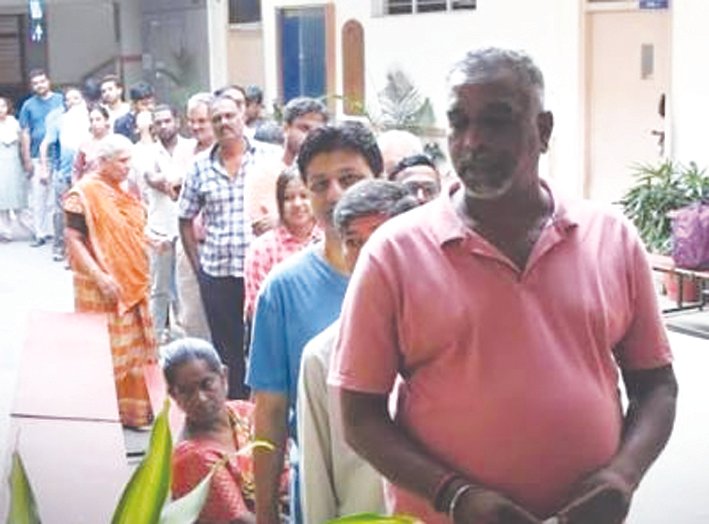
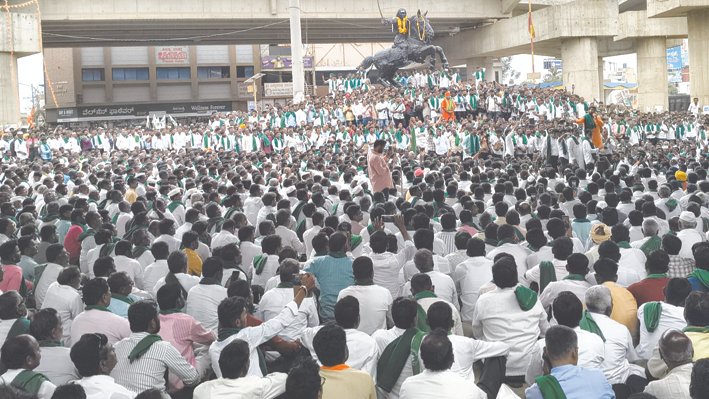
Mangaluru, Sept 11: The first student union election held at Mangalore University College here after the Karnataka government’s decision to revive campus polls turned into an early political test for the ruling Congress, with ABVP-backed candidates reportedly winning all six posts in an election conducted under the existing indirect system.
The result came a day after the Karnataka government announced its decision to restore student union elections in degree and pre-university colleges across the state after a gap of 37 years. Under the new framework, candidates will have to contest without using the banners or symbols of politically affiliated student organisations.
The election at Mangalore University College in Hampankatta assumed significance after the government issued fresh directions on the conduct of student polls on September 10, shortly before the scheduled election.
While the revised framework envisages direct participation by students, the University College proceeded with its already notified election under the indirect system, under which class representatives elect the office-bearers.
According to reports, ABVP-backed candidates secured victories in all six posts, prompting celebrations among their supporters on the college campus.
The timing of the election and the government’s last-minute change in the electoral procedure have triggered a political controversy. ABVP supporters alleged that the revised rules were intended to prevent their candidates from gaining an advantage in the scheduled polls.
The university, however, maintained that the election process had already commenced and that the subsequent government order could not be applied retrospectively to alter an ongoing electoral process.
The development assumes significance as the Congress government has sought to project the revival of student elections as a step towards restoring democratic participation on campuses while keeping formal political affiliations out of the electoral process.
The government’s decision marks a major policy reversal from the ban imposed in 1989 following incidents of violence and clashes on college campuses.
Under the new framework, student unions will comprise a president, two vice-presidents, a general secretary, two joint secretaries and a six-member executive committee, with specified positions reserved for women.
The government has also clarified that students affiliated with political organisations can contest the elections, but only as independents and without using the banners of political student groups.
Against this backdrop, the Mangaluru result has provided the Opposition and ABVP with an immediate political talking point, coming as the Congress government prepares to implement its new system of campus elections across Karnataka.
The episode is likely to intensify the debate over whether the revival of student elections can remain insulated from wider political contestation in the state.