Surjewala Opposes Proposed UPI MDR, Warns of Burden on Traders and Consumers
Published
Updated
2 min read 3 views
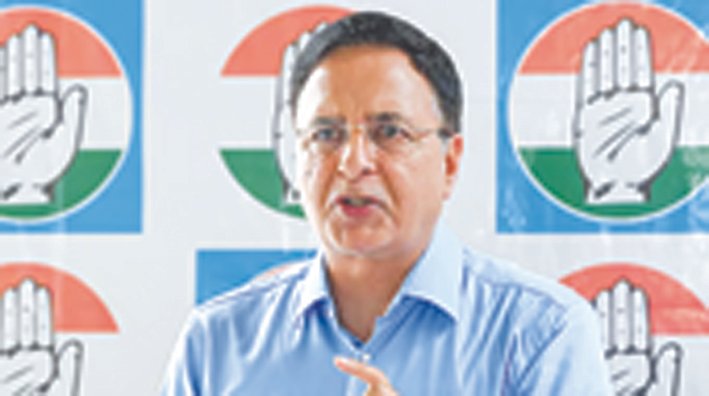
BENGALURU, Sept 16: Congress leader and AICC general secretary Randeep Singh Surjewala on Wednesday criticised the Centre over the proposed Merchant Discount Rate (MDR) on high-value UPI transactions, warning that the move could increase costs for traders and consumers.
Addressing reporters in Bengaluru, Surjewala cited government figures to claim that UPI transactions worth ₹314 lakh crore were recorded in 2025-26 and projected the volume to reach ₹400 lakh crore in the current financial year. He said only a portion of UPI transactions above ₹2,000 involved person-to-merchant (P2M) payments and questioned the rationale for imposing a proposed 0.4 per cent MDR.
Surjewala argued that small traders and shopkeepers operating on thin margins could pass the additional cost on to consumers. He also questioned the proposed amendment to Section 10A of the Payment and Settlement Systems Act, saying it could allow changes in UPI charges in the future without requiring repeated legislative amendments.
The Congress leader also raised questions about the role of foreign companies in India's UPI ecosystem. Referring to companies such as PhonePe and Google Pay, he questioned whether foreign participants should pay a fee for access to India's digital payments infrastructure and the data generated through transactions.
Surjewala further questioned whether the proposed MDR could benefit traditional card networks, alleging that the rapid growth of UPI and RuPay had affected established card companies. He also questioned the need for additional charges when, according to figures cited by him, the National Payments Corporation of India (NPCI) had recorded a pre-tax profit of around ₹1,900 crore and maintained substantial cash reserves.
He also referred to government financial support for the UPI ecosystem and questioned the rationale for imposing what he described as a transaction tax.
Describing the proposed charges as a setback to India's cashless and digital payments drive, Surjewala said ordinary consumers, traders, workers and small businesses could ultimately bear the cost. He urged the Centre to reconsider the proposal and provide clarity on its rationale and likely impact.
The Congress leader also compared the proposed move with the telecom sector, where companies initially offered free services before introducing charges, and alleged that ordinary citizens could face an additional financial burden.
Surjewala demanded that the Centre explain the rationale behind the proposed UPI charges and reconsider the policy.