BRICS Pushes for Alternative Payment System to Reduce US Financial Dominance
Published
Updated
2 min read 3 views
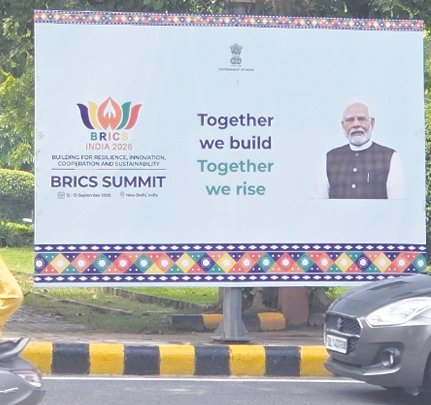
BENGALURU, Sept 16: BRICS countries and other Asian economies are moving towards developing an alternative global payment system and promoting greater use of local currencies in bilateral trade, a move that could reduce their dependence on the US-dominated financial architecture, former Infosys director T.V. Mohandas Pai said on Wednesday.
Speaking to reporters on the sidelines of an ITRA conference here, Pai said discussions among BRICS and Asian countries on alternative cross-border payment mechanisms were significant as they could provide nations with options outside existing international financial systems.
“Today, SWIFT, which is a global payment system, is controlled by the OECD and America,” Pai said.
He said the ability to exclude countries and entities from the global financial system had become an instrument of US influence and argued that sovereign nations should have alternative mechanisms for international transactions.
Pai said Asian countries were coming together to create an alternative payment system that would ensure international transactions were not dependent on a mechanism controlled by a single country.
He also advocated greater use of local currencies in bilateral trade, saying countries could settle transactions directly in their own currencies instead of routing trade through the US dollar.
“Why should we trade in dollars? Let us trade in local currency,” he said, citing India-Thailand trade as an example. He suggested that transactions between the two countries could be settled in the Indian rupee and Thai baht through an alternative settlement mechanism.
Pai said such arrangements could become increasingly important as countries seek to reduce their exposure to financial restrictions and external control over cross-border payments.
Referring to the US's ability to exclude entities from the global financial system, he said excessive concentration of financial power was undesirable for the international community.
“Having alternate systems, I think is a very good thing and the BRICS is working towards that,” Pai said, stressing that alternative payment mechanisms were ultimately about preserving the financial sovereignty of individual nations.