Karnataka’s Rain Crisis Hits Kitchens as Rice Prices Surge
Published
Updated
2 min read 5 views
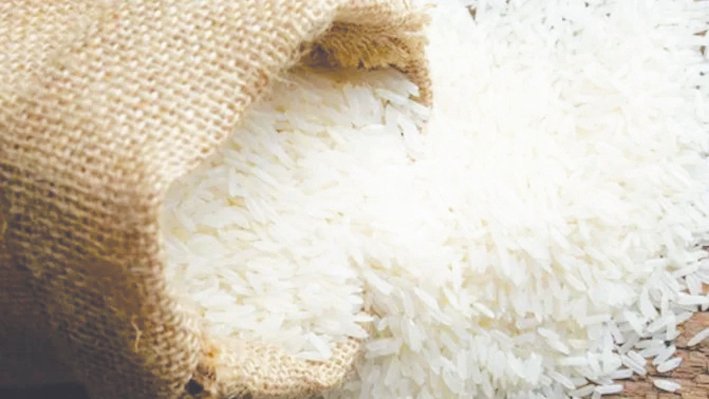
BENGALURU, Sept 11: Karnataka’s rainfall deficit is beginning to hit household kitchens, with declining paddy output and tightening supplies pushing wholesale rice prices up by around ₹1,000 per quintal and raising concerns of a further increase in the coming weeks.
The impact is particularly visible in major rice-producing regions such as Raichur, where traders and rice millers are reporting lower paddy availability amid expectations of reduced production.
The crisis comes against the backdrop of widespread rainfall deficiency across Karnataka. As of early September, 30 of the state’s 31 districts had recorded below-normal rainfall, with several districts facing severe deficits. The prolonged dry spell has affected agricultural and horticultural production, while several taluks have gone through extended periods without significant rainfall.
Paddy, one of the state’s major water-intensive crops, has been particularly affected. Paddy acreage has also declined during the current kharif season, compounding the impact of lower yields and resulting in reduced market arrivals.
With both acreage and productivity under pressure, rice mills are facing tighter stocks. Traders fear that the supply squeeze could intensify as the season progresses if rainfall fails to improve crop conditions.
Wholesale prices have already risen across varieties. Old Sona Masuri rice is currently quoted at around ₹6,600 per quintal, while Kaveri Sona is selling at about ₹6,250 and RNR rice at ₹6,450. Boiled rice is priced at around ₹6,100 per quintal, while Kollam rice has touched approximately ₹7,500 per quintal, making it one of the costlier varieties in the market.
Prices of broken rice have also increased, with old Sona broken rice selling at around ₹3,600 per quintal and new Sona broken rice at about ₹3,100.
Besides lower paddy production and reduced mill stocks, rising transportation costs are adding to the pressure, with higher logistics expenses eventually being passed on to consumers.
The concern now extends beyond farmers and traders. A further decline in paddy arrivals could push up retail rice prices, adding to the burden on household budgets as well as restaurants and other food businesses.
The emerging chain reaction is clear: poor rainfall is affecting acreage and yields, lower production is tightening paddy supplies, reduced stocks are putting pressure on rice mills, and consumers are beginning to feel the impact through higher prices.
With the monsoon weakening across large parts of the state, the coming weeks will be crucial in determining whether fresh arrivals can ease the pressure or Karnataka faces a prolonged squeeze in rice supplies and prices.