PM Modi urges citizens to promote local products as Mann Ki Baat completes 12 years
Published
5 min read 2 views
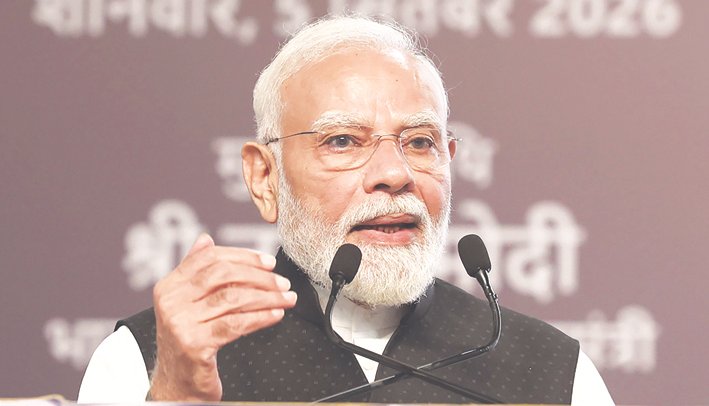
New Delhi, Oct 25 : Prime Minister Narendra Modi on Sunday urged citizens to give priority to locally manufactured products during the festive season, support small businesses and traditional artisans, and strengthen cleanliness initiatives ahead of Diwali and Chhath.
Addressing the 139th episode of his monthly radio programme Mann Ki Baat, which completed 12 years since its launch in 2014, Modi highlighted grassroots initiatives and achievements in areas such as self-reliance, environmental conservation, organic farming, healthcare, scientific research and technological innovation.
Describing the programme's 12-year journey as an opportunity to recognise the contributions of ordinary citizens, Modi said Mann Ki Baat had brought inspiring stories from villages, towns and cities into the national conversation.
"For me, Mann Ki Baat is nothing less than a pilgrimage to understand closely the efforts of the people of our country and to salute their contributions," he said, adding that the affection and trust of listeners had been invaluable.
With the festive season underway, the Prime Minister appealed to people to purchase products made by local artisans, small businesses and traditional craftspeople. He said conscious consumer choices could strengthen domestic industries, generate employment and advance the vision of an Atmanirbhar Bharat.
Highlighting the growing international reach of Indian products, Modi cited Bihar's makhana exports to Greece and Karnataka's arhar dal exports to the Maldives as examples of opportunities for Indian farmers and producers.
He emphasised that quality and attractive packaging were essential for traditional products to compete in international markets. Citing Maharashtra's Shabari Naturals initiative, he said tribal products such as honey, mahua, chironji and bamboo-based goods were being marketed using packaging inspired by tribal art, which had received Japan's Good Design Award.
He also highlighted a Karnataka-based bamboo start-up developing packaging materials from bamboo and agricultural residues.
Referring to the Khadi and Village Industries sector, Modi said sales of Khadi products exceeded Rs 28 crore on Gandhi Jayanti this year, registering an increase of Rs 1.5 crore over the previous year. He said the growth reflected rising public interest in traditional industries and provided greater livelihood opportunities for artisans.
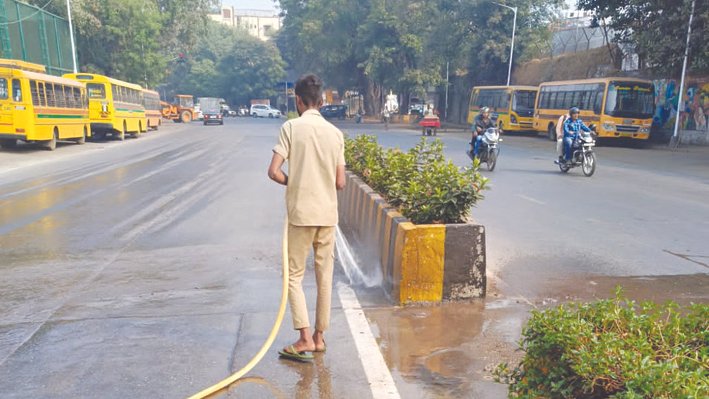
The Prime Minister also called for cleanliness drives in neighbourhoods and public spaces ahead of Diwali and Chhath, stressing that individual responsibility and collective participation were essential for maintaining a clean environment.
Highlighting environmental conservation, Modi spoke about the revival of the Heval river in Uttarakhand's Tehri Garhwal district through community participation, rainwater conservation, groundwater recharge and plantation activities. The initiative also helped revive several natural water sources.
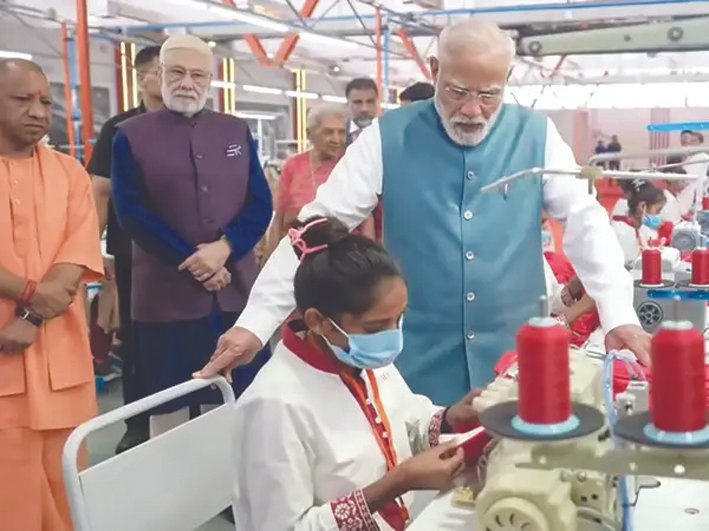
In Punjab's Malwa region, he highlighted the Kheti Virasat Mission's Nav-Trinjan initiative, which promotes chemical-free organic cotton cultivation and naturally coloured cotton. A weaving school established under the programme is helping women acquire traditional weaving skills and earn livelihoods by producing shawls, towels and other fabrics.
Turning to healthcare, Modi said the e-Sanjeevani telemedicine service had facilitated nearly 50 crore teleconsultations, connecting patients in remote areas with medical specialists.
He cited examples from the Andaman and Nicobar Islands, Lakshadweep, Ladakh and Nagaland to illustrate how the service had helped patients receive timely medical assistance. He also said nearly 1.9 lakh Ayushman Arogya Mandirs had been established across the country to strengthen primary healthcare services.
Modi also highlighted the importance of organ donation, recalling the decision of a family in Madhya Pradesh to donate the organs of their daughter Shivani after she died in a road accident.
Speaking about scientific research and innovation, the Prime Minister referred to his recent visit to IIT Madras, where he inaugurated the Sudha Gopalakrishnan Brain Centre. The centre has developed a technology platform capable of producing high-resolution digital three-dimensional images of the human brain.
He said the centre aimed to map 100 human brains using the Param Shakti supercomputer, with the data intended to be made available as an open-source resource for researchers.
Modi also highlighted start-ups working on technologies to assess gold quality, recover money lost through banking fraud, assist cervical cancer screening using artificial intelligence, develop electric vehicles capable of operating over water and produce fast-charging batteries for drones and electric vehicles.
As October 31 approaches, he paid tribute to Narinder Singh Kapany, widely known as the Father of Fibre Optics, whose birth centenary falls on that day. He urged young Indians to learn about Kapany's contributions to modern communication technology.
The Prime Minister also appealed to citizens to participate in the Run for Unity on October 31 to mark the birth anniversary of Sardar Vallabhbhai Patel and reaffirm their commitment to national unity.
Highlighting traditional agriculture in the Northeast, Modi spoke about efforts to revive millet cultivation in Meghalaya and Nagaland. He cited women entrepreneurs in Meghalaya who were producing millet-based cookies, cakes, muffins and baby food, while also referring to the revival of millet cultivation in Kezoma village in Nagaland.
Modi also paid tribute to Maharishi Valmiki ahead of his birth anniversary on October 26, highlighting the Ramayana's messages of compassion, perseverance, service and social harmony.
He recalled the contributions of freedom fighter Bhai Parmanand, whose 150th birth anniversary will be observed on November 4. Associated with the Arya Samaj and the Ghadar Party, Parmanand had worked among Indian communities in Guyana and South Africa and was sentenced by the British to transportation to the Cellular Jail in the Andaman Islands.
Extending greetings for Diwali, Chhath and other forthcoming festivals, Modi urged people to celebrate safely and share their happiness with others.
The 139th episode of Mann Ki Baat marked 12 years of the programme while highlighting the importance of local enterprise, environmental protection, accessible healthcare, scientific innovation and the preservation of India's cultural and agricultural heritage.